/ Mar 13, 2026
Trending

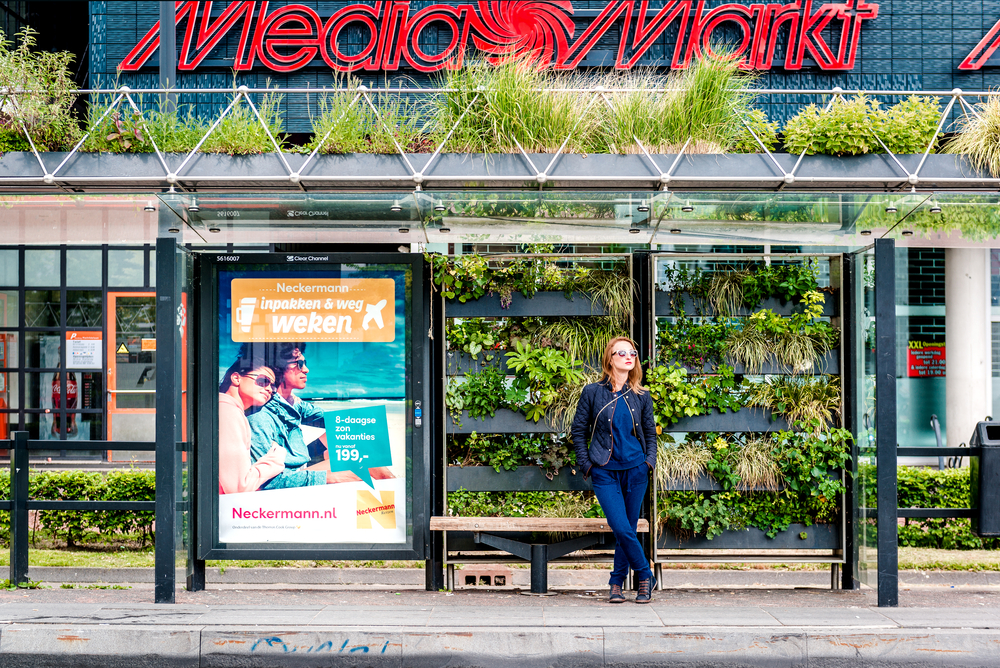
The city council of Nijmegen adopted a highly contested pair of measures late Wednesday evening to ban advertisements promoting the use of fossil fuels, prohibiting billboards from showing deals on everything from flights to meat and dairy.
Nijmegen follows The Hague, Utrecht and Delft, which have all passed similar bills in the last year.
“In Nijmegen we want to tackle climate change, and climate-damaging advertising is absolutely not part of that,” council member Eline Lauret of the the pro-animal party PvdD said in a statement.
Lauret proposed the measures together with fellow council member Diede Beumer of GroenLinks. The final vote on the rules was 20-18.
Centre right party VVD did not support the measure. Counciler Niek Kraut told reporters the move was “state censorship,” pointing out that it still legal to drive a car, to take a flight and to eat meat in the Netherlands. “Banning an expression of opinion because you simply disagree with a product is a route we should not take,” he said.
The Hague became the first city in the world to ban fossil fuel advertising when a measure came into effect on January 1. The new rule prevents adverts for holidays like cruises and fly-drive packages, oil and gas-based energy contracts and cars – including hybrid electric cars, which are partly powered by fossil fuels.
Last month the travel trade organisation ANVR lost a case against the city to overturn the new regulations.
Amsterdam and Haarlem also passed bans but their moves prohibited future advertising contracts from showing fossil fuel ads.
The advertising bans are backed by Reclame Fossielvrij, a Dutch organisation that says such advertisements contribute to climate change. “According to scientists, a ban on fossil advertising can increase support for other climate policies,” the group’s founder, Femke Sleegers, said in a statement.
We could not provide the Dutch News service, and keep it free of charge, without the generous support of our readers. Your donations allow us to report on issues you tell us matter, and provide you with a summary of the most important Dutch news each day.
The city council of Nijmegen adopted a highly contested pair of measures late Wednesday evening to ban advertisements promoting the use of fossil fuels, prohibiting billboards from showing deals on everything from flights to meat and dairy.
Nijmegen follows The Hague, Utrecht and Delft, which have all passed similar bills in the last year.
“In Nijmegen we want to tackle climate change, and climate-damaging advertising is absolutely not part of that,” council member Eline Lauret of the the pro-animal party PvdD said in a statement.
Lauret proposed the measures together with fellow council member Diede Beumer of GroenLinks. The final vote on the rules was 20-18.
Centre right party VVD did not support the measure. Counciler Niek Kraut told reporters the move was “state censorship,” pointing out that it still legal to drive a car, to take a flight and to eat meat in the Netherlands. “Banning an expression of opinion because you simply disagree with a product is a route we should not take,” he said.
The Hague became the first city in the world to ban fossil fuel advertising when a measure came into effect on January 1. The new rule prevents adverts for holidays like cruises and fly-drive packages, oil and gas-based energy contracts and cars – including hybrid electric cars, which are partly powered by fossil fuels.
Last month the travel trade organisation ANVR lost a case against the city to overturn the new regulations.
Amsterdam and Haarlem also passed bans but their moves prohibited future advertising contracts from showing fossil fuel ads.
The advertising bans are backed by Reclame Fossielvrij, a Dutch organisation that says such advertisements contribute to climate change. “According to scientists, a ban on fossil advertising can increase support for other climate policies,” the group’s founder, Femke Sleegers, said in a statement.
We could not provide the Dutch News service, and keep it free of charge, without the generous support of our readers. Your donations allow us to report on issues you tell us matter, and provide you with a summary of the most important Dutch news each day.