/ Mar 04, 2026
Trending

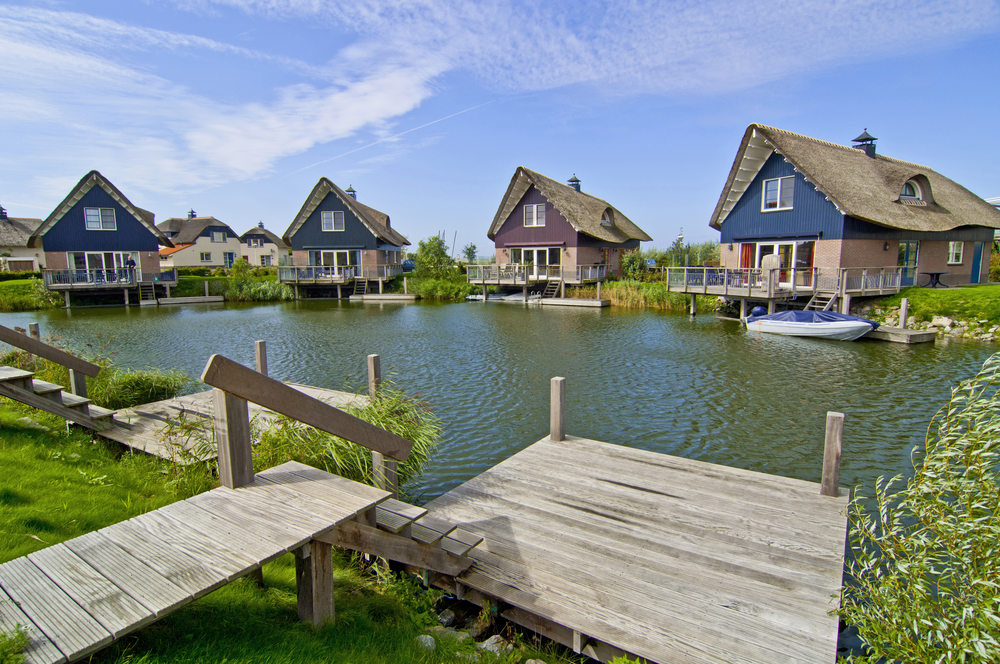
People living permanently in holiday homes should be allowed to remain there for another 10 years, housing minister Mona Keijzer has proposed in a draft directive to local authorities.
Under the current rules, councils are free to decide whether, and for how long, someone may live in a holiday home, and the period is often 11 months a year. But Keijzer wants to introduce a national policy to give tens of thousands of residents greater legal certainty, citing the country’s severe housing shortage.
Around 60,000 people are officially registered at the address of a holiday home, Keijzer said. “They often have nowhere else to go,” she said, adding that the threat of being evicted is “stressful and undesirable”.
The idea of allowing permanent residence in recreational housing was first proposed in the coalition agreement between PVV, VVD, NSC and BBB a year ago. Keijzer’s proposal is designed to formalise the status of people who were already living on holiday parks at that time.
Only residents who can prove they were living there on or before 16 May 2024 would qualify for the 10-year period. The rule is “explicitly” not intended for people who moved to a holiday home after that date, Keijzer said, as this would risk triggering a surge in demand for recreational housing.
The 10-year countdown would begin when the directive comes into effect, likely in 2026. After eight years, the cabinet would review whether the policy is still necessary. If not, councils would regain control over residency decisions two years later.
The Dutch local authorities association, VNG, was critical of the coalition plan earlier this year, arguing that councils are best placed to weigh up the interests involved at a local level.
Keijzer’s plan was put out to consultation on Tuesday.
We could not provide the Dutch News service, and keep it free of charge, without the generous support of our readers. Your donations allow us to report on issues you tell us matter, and provide you with a summary of the most important Dutch news each day.
People living permanently in holiday homes should be allowed to remain there for another 10 years, housing minister Mona Keijzer has proposed in a draft directive to local authorities.
Under the current rules, councils are free to decide whether, and for how long, someone may live in a holiday home, and the period is often 11 months a year. But Keijzer wants to introduce a national policy to give tens of thousands of residents greater legal certainty, citing the country’s severe housing shortage.
Around 60,000 people are officially registered at the address of a holiday home, Keijzer said. “They often have nowhere else to go,” she said, adding that the threat of being evicted is “stressful and undesirable”.
The idea of allowing permanent residence in recreational housing was first proposed in the coalition agreement between PVV, VVD, NSC and BBB a year ago. Keijzer’s proposal is designed to formalise the status of people who were already living on holiday parks at that time.
Only residents who can prove they were living there on or before 16 May 2024 would qualify for the 10-year period. The rule is “explicitly” not intended for people who moved to a holiday home after that date, Keijzer said, as this would risk triggering a surge in demand for recreational housing.
The 10-year countdown would begin when the directive comes into effect, likely in 2026. After eight years, the cabinet would review whether the policy is still necessary. If not, councils would regain control over residency decisions two years later.
The Dutch local authorities association, VNG, was critical of the coalition plan earlier this year, arguing that councils are best placed to weigh up the interests involved at a local level.
Keijzer’s plan was put out to consultation on Tuesday.
We could not provide the Dutch News service, and keep it free of charge, without the generous support of our readers. Your donations allow us to report on issues you tell us matter, and provide you with a summary of the most important Dutch news each day.